Sustainability has moved from the PR department to the P&L.
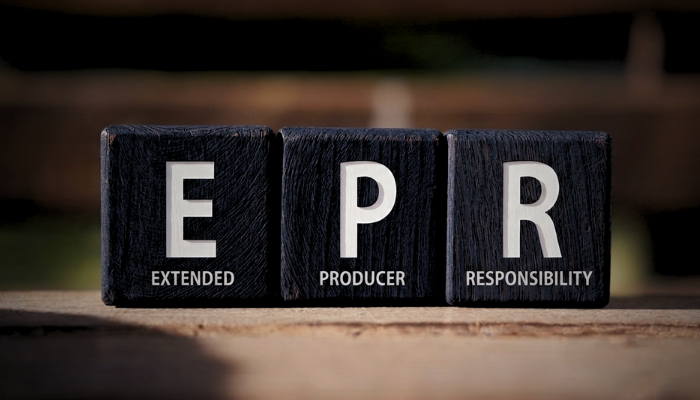
With new EPR (Extended Producer Responsibility) regulations in 2026, manufacturers face strict accountability for product lifecycles. This turns stagnant inventory into a significant financial risk.
To protect your margins, your overstock strategy must shift from storage to circular recovery.
For supply chain leaders and stock providers, this creates a critical turning point. Legacy overstock is no longer just a space-taker; it is a financial and regulatory liability.
The New Risks of 2026:
Navigating EPR Compliance: As European laws tighten, manufacturers must account for the end-of-life impact of every unit produced. Destroying surplus has shifted from a common practice to a legal liability, necessitating a move toward high-velocity, circular recovery models.
The Liquidity Constraint: Stagnant inventory acts as a direct drag on working capital. In a climate of rising raw material costs and tariff-driven volatility, manufacturers can no longer afford to have essential liquidity locked in unmoving stock.
The Transparency Mandate: Gen Z and Millennial consumers, and increasingly, AI-driven retail agents, are prioritising brands with verifiable circular credentials.
Transforming Surplus Liability Into Circular Growth Opportunities
We transform inventory liabilities into liquid assets. By integrating your surplus into our global circular network, we ensure your 2030 sustainability goals are met without compromising your 2026 profitability.
How We Help Stock Providers Scale Responsibly:
Global Asset Recovery: We give your products a second life through our vetted global network, ensuring high-quality A-brands reach new markets without devaluing your primary channels.
Bypassing the Disposal Tax: By ensuring inventory is sold and used rather than discarded, we help you align with 2030 sustainability goals and bypass the mounting costs of EPR-related waste fees.
Brand Integrity Protection: We operate with total transparency, leveraging our trust with over 250+ A-brands to ensure that your surplus is managed with the respect your brand deserves.
Key Takeaways:
Regulatory Liability: New 2026 EPR laws make manufacturers legally and financially responsible for product lifecycles, turning stagnant stock into a major risk.
The Cost of Waste: Destroying surplus is shifting from a standard practice to a legal liability, with mounting fees for non-circular disposal.
Liquidity Drain: Stagnant inventory freezes working capital that is increasingly needed to offset rising material costs and tariff volatility.
The Transparency Mandate: Modern consumers and retail agents now prioritize brands with verifiable circular credentials and sustainable inventory management.
Ready To De-Risk Your Surplus Inventory?
Contact us at: Bob@4everyware.nl to turn compliance into capital.