Explore our latest blogs packed with insights and practical strategies on overstock management, inventory optimization, and everything related to handling excess stock. Learn how to reduce waste, improve cash flow, and turn challenges into opportunities.
In today’s fast-moving retail world, extra stock is more than just a space-filler, it’s a hidden opportunity waiting to be tapped. The way you handle your overstock can be the difference between a logistical burden and a major strategic win. In this blog, we explore how the right partnerships turn surplus into high-value assets, helping suppliers protect their brand reputation while giving buyers direct access to the premium products they need to grow.
With the Strait of Hormuz closed and ships rerouted around Africa, the European supply chain is facing its toughest test since COVID-19. For retail businesses, viewing these delays and rising costs as unavoidable is a mistake.
In this quick read, we explore how agile sourcing and smart inventory shifts transform the current shipping crisis from a margin-killer into a strategic opportunity. Stop waiting for delayed shipments and start unlocking liquidity today.

With EU anti-dumping duties on ceramics nearly tripling to 79%, the era of low-cost Chinese sourcing has officially hit a wall. For retail buyers, treating these massive tax hikes as an unchangeable cost of business is a mistake.
Discover how securing tariff-exempt inventory and diversifying sourcing transforms this regulatory challenge from a margin-killer into a strategic advantage.

With 2026 EPR mandates looming, manufacturers must now account for the entire lifecycle of their goods as a direct bottom-line expense. For category managers, treating dormant stock as merely a physical footprint instead of a mounting regulatory risk is a costly oversight.
Explore how adopting rapid-cycle asset recovery turns these tightening environmental standards from a drain on capital into a catalyst for operational agility and consumer transparency.

As the 2026 seasonal shifts approach, retail success depends on securing inventory before market pressure peaks. Waiting for consumer demand to materialize is a strategic trap that leaves procurement teams vulnerable to diminished stock and inflated costs.
In this blog, discover how proactive volume sourcing transforms seasonal pressure into a competitive edge, ensuring your shelves are stocked with premium A-brand goods well before the winter rush begins.

As market transparency increases, maintaining a competitive edge requires shifting beyond standard brand reliance toward a more diversified procurement model. For retailers, relying solely on universal labels often leads to race-to-the-bottom pricing and eroded margins.
Explore how integrating bespoke product lines and high-velocity promotional cycles converts your shelf space into a destination for exclusivity, driving consistent foot traffic while insulating your bottom line from external price fluctuations.

As autonomous digital agents begin to dominate the shopping landscape, procurement speed has transitioned from a benefit to a survival requirement. For modern retailers, the challenge is no longer just predicting human behaviour, but reacting to the instantaneous spikes triggered by market-scanning algorithms.
See how utilising localised, high-velocity stock injections allows your supply chain to outpace automated demand, capturing rapid-fire revenue windows that leave slower, traditional logistics behind.

For top-tier manufacturers, managing surplus inventory is a delicate exercise in reputation management. The risk isn't just the excess stock itself, but the potential for uncoordinated liquidations to cannibalize current full-price collections and erode the premium positioning built over decades.
Discover how targeted, discreet volume-clearing strategies allow you to reclaim capital and optimize warehouse space without compromising your brand’s prestige or disrupting your primary retail partnerships.
Managing surplus assets should be a decisive operational shift, not a prolonged administrative burden. For many organisations, the true cost of overstock isn't just the lost margin, it’s the hidden tax on productivity caused by fragmented liquidations and the logistical friction of chasing dozens of micro-transactions.
Learn how consolidating your exit strategy into a single-point-of-contact model recovers executive time and warehouse bandwidth, turning stagnant inventory into immediate liquidity through a streamlined, one-touch transaction.

In an era of high-stakes procurement, the difference between a high-margin win and a legal disaster often comes down to the integrity of the supply chain. While enticing deals are abundant, unverified sourcing paths can introduce systemic risks that compromise your standing with global manufacturers and invite regulatory scrutiny.
Explore how prioritising authenticated asset recovery and transparent chain-of-custody protocols allows you to capture premium opportunities while insulating your business from the hidden liabilities of the grey market.

The shift toward a toxin-free kitchenware standard is no longer a future projection, it is a current regulatory reality. As enforcement of forever chemical bans tightens across Europe, traditional non-stick assortments have transitioned from reliable revenue drivers into toxic assets that threaten both the balance sheet and brand integrity.
Discover how navigating this transition with certified, compliant alternatives allows you to purge regulatory risk and align your assortment with the modern, health-conscious consumer before legacy inventory becomes a total loss.
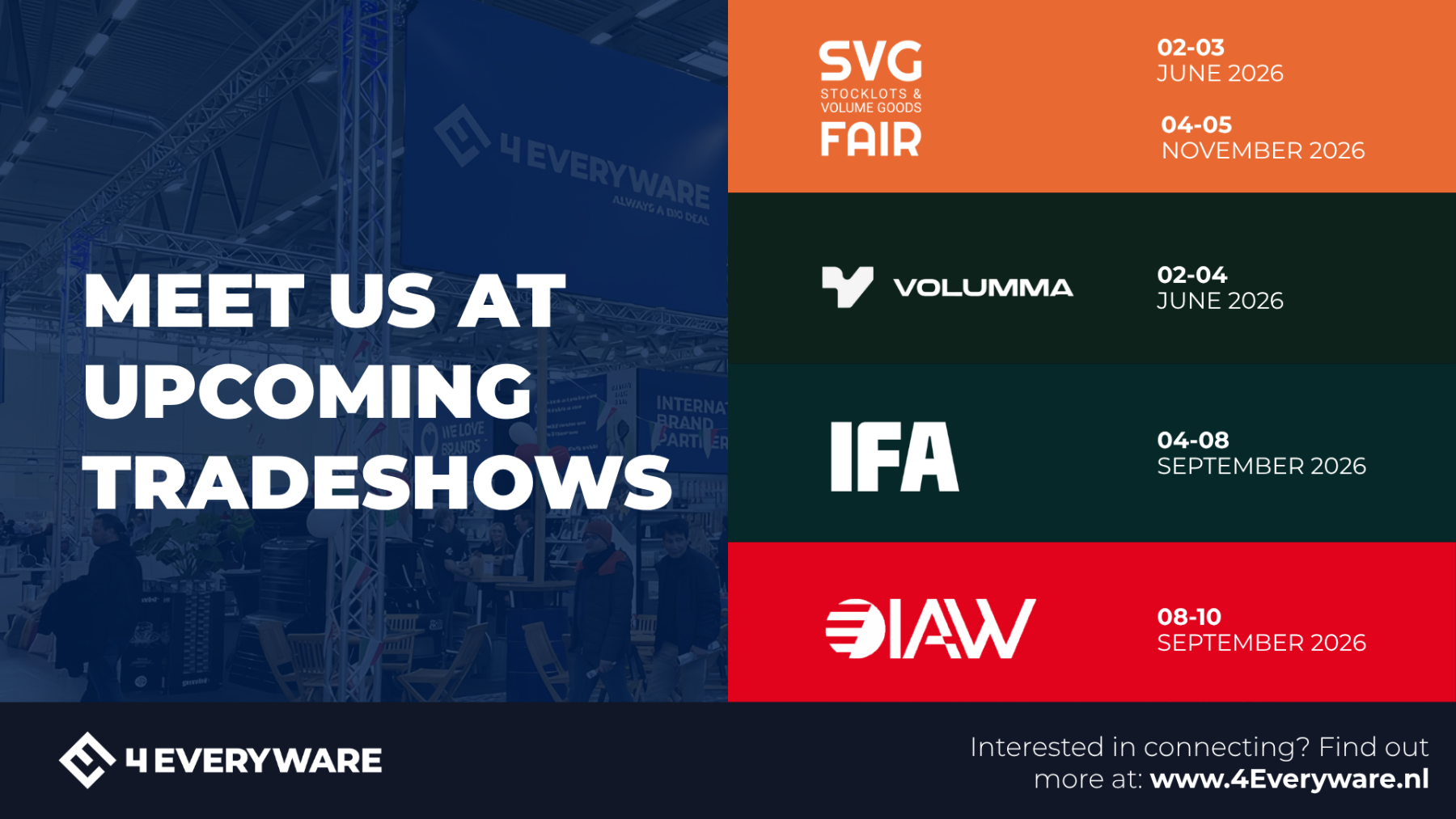
In an era of aggressive web scraping and automated price wars, safeguarding your primary market requires a highly deliberate strategy. True margin protection doesn't happen on the open web, it happens behind closed doors through trusted, private partnerships that keep your brand equity intact.
Discover how connecting with our team face-to-face at Europe’s upcoming tradeshows allows you to bypass public data traps, clear surplus inventory responsibly, and secure exclusive B2B deals built for rapid turnover.
Capturing maximum summer revenue requires agility. As the backyard hosting rush gives way to the great holiday getaway, demand is shifting rapidly toward premium, compact travel essentials. Retailers who pivot to these high-velocity lines right now are securing the highest margins of the season.
Discover the four core on-the-go categories topping shopping lists and learn how to optimize your inventory for rapid turnover.

The era of the passive smart gadget is over. Consumers are now paying a premium for autonomous hardware that thinks, adapts, and reacts independently, and retail inventory must evolve to match.
From self-managing home systems to local, privacy-first processing, discover the four critical technical standards topping consumer wishlists today to keep your stock moving fast.

Modern buyers are investing heavily in resilient, expertly crafted lifestyle tools engineered to streamline hectic daily schedules, and your merchandise strategy needs to pivot accordingly.
By prioritising everything from ultra-compact domestic organisers to high-end, commuter-focused food and beverage gear, you can uncover the four vital product segments dominating customer purchase intent this season to accelerate your sell-through rates.

Duurzaamheid en 4Everyware